
Local Business
June 16, 2025
How Sweetwater Sound Became a $1 Billion Brand in Fort Wayne and What Local Businesses Can Learn From It
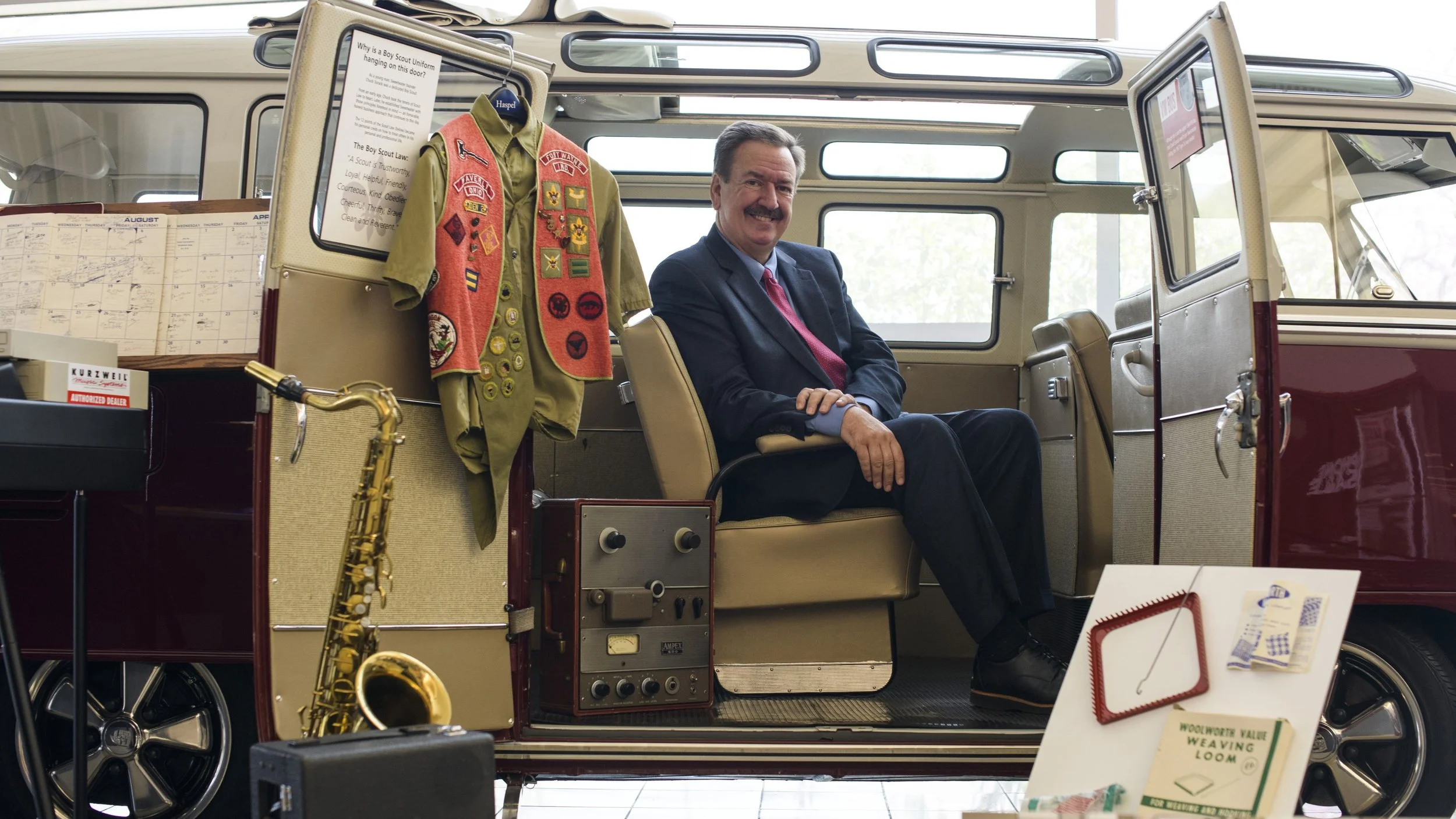
From a VW Bus to a Billion Dollars
In 1979, a musician named Chuck Surack started selling recording equipment out of a Volkswagen bus in Fort Wayne, Indiana. He had no outside investment, no retail space, and no playbook for what he was building. He had a deep knowledge of music technology, a genuine passion for helping musicians achieve their creative vision, and an instinct for what great customer service felt like.
Forty-five years later, Sweetwater Sound is one of the largest music instrument and pro audio retailers in the United States, with annual revenues exceeding $1 billion, a sprawling campus in Fort Wayne, and a reputation among musicians that borders on reverent loyalty.
That is not a small story. That is one of the most remarkable business building narratives in Indiana history — and it happened not in Chicago or New York or Silicon Valley, but in our backyard. The question worth asking is: how? And more importantly: what can a small business in LaGrange County or anywhere in Northeast Indiana actually learn from it?
The Sweetwater Difference: It Was Always About the Customer
If you've ever purchased anything from Sweetwater, you know the experience is different from the moment of first contact. You're assigned a personal sales engineer — not a rep, not an account manager, an engineer — who has deep technical knowledge about the products they sell. They call you. Not an automated email sequence, not a chatbot. A real person who knows your purchase history, understands your setup, and proactively reaches out to check in.
Orders ship with handwritten thank-you notes and a bag of candy. Not because candy is transformative, but because the detail signals something important: someone cared enough to include it. That signal accumulates. Every small touchpoint reinforces the message: you matter to us as a person, not just as a transaction.
Sweetwater's Net Promoter Score — a measure of how likely customers are to recommend a business to others — is consistently among the highest in the retail industry, not just in music. They didn't buy that score. They earned it by obsessing over the customer experience at every point of contact.
Lesson 1: Expertise Is a Differentiator You Can Own
Sweetwater didn't try to be the cheapest place to buy a guitar. (They often aren't.) They built their competitive advantage around expertise — the genuine, deep knowledge that helps a customer make the right decision and then use what they buy effectively.
For any small business in our region, expertise is one of the most powerful and defensible differentiators available. What do you know that a big-box competitor doesn't? What can you explain, advise on, customize, or solve that a national chain simply can't replicate?
The local landscaping company that knows the soil conditions in every township in the county. The insurance agent who understands the specific needs of Amish farm families. The auto mechanic who has been working on the same family's vehicles for three generations. That knowledge is worth something enormous — but only if you communicate it and build your brand around it.
Lesson 2: Relationships Beat Transactions Every Time
Sweetwater's personal sales engineer model is expensive to maintain. It requires hiring knowledgeable people, training them deeply, and giving them the time to actually build relationships rather than just process orders. By conventional efficiency metrics, it probably looks wasteful.
But look at the results. Customers who feel genuinely known and served by a Sweetwater sales engineer don't comparison shop. They call their rep. They trust the recommendation. The customer lifetime value of a Sweetwater customer who has a strong relationship with their sales engineer is dramatically higher than a customer who orders once through an anonymous website.
This is the fundamental economics of relationships in business: the upfront investment in genuine connection pays compound returns over time. Small businesses in our region have a natural advantage here because the relationship infrastructure is already part of the culture. The question is whether you're investing in those relationships systematically or just hoping they form on their own.
Lesson 3: Culture Produces Customer Experience
You cannot systematically deliver exceptional customer experiences without a culture that values them. Chuck Surack's greatest achievement wasn't building a billion-dollar revenue line — it was building an organizational culture that maintained a customer-first orientation through decades of rapid growth.
That kind of culture starts at the top and has to be modeled, reinforced, and protected constantly. If the owner cuts corners when no one is looking, staff learn that it's acceptable to cut corners. If the owner treats a difficult customer with patience and generosity, staff learn that the standard is high.
For a small business with two employees or twenty, culture is built in every decision, every interaction, every moment when doing the right thing is harder than taking the shortcut. Sweetwater's story is, at its core, a story about what consistent cultural commitment to the customer produces over time.
Lesson 4: Content and Education Create Trust at Scale
One thing that doesn't get enough attention in the Sweetwater story is their investment in content — tutorials, product reviews, guides, and educational resources that help musicians at every skill level. This content doesn't just serve existing customers; it attracts new ones through organic search and positions Sweetwater as the authority in their space.
For small businesses in Northeast Indiana, this is an underutilized opportunity. The local plumber who has a YouTube channel answering common homeowner questions. The farm supply store whose blog covers seasonal crop management tips. The financial advisor whose email newsletter demystifies retirement planning for working families. Educational content builds trust before a prospect ever makes contact — and it keeps doing that work while you sleep.
The Indiana Angle
I think there's something worth naming about the fact that Sweetwater happened in Fort Wayne. Not San Francisco. Not New York. Fort Wayne, Indiana — about forty miles from where I'm writing this.
It happened here because the values that built it — hard work, deep expertise, genuine care for people, commitment to doing things right — are values that are deeply embedded in this region's culture. We don't do flashy well, but we do substance well. We do reliability well. We do relationships well.
Those are exactly the values that build the kind of business Sweetwater built. The opportunity isn't only available to them. It's available to any business in this region willing to take those values seriously and invest in them strategically.
That's the work we do at Indian Lakes Marketing — helping local businesses build on what they already do well and find the systems and strategies to grow without losing what makes them who they are. Sweetwater is proof that it can be done, and done right here at home.
Tags