AI News
September 28, 2026 · 4 min read
Meta Just Launched Muse. Here Is Why It Matters for Regular People.
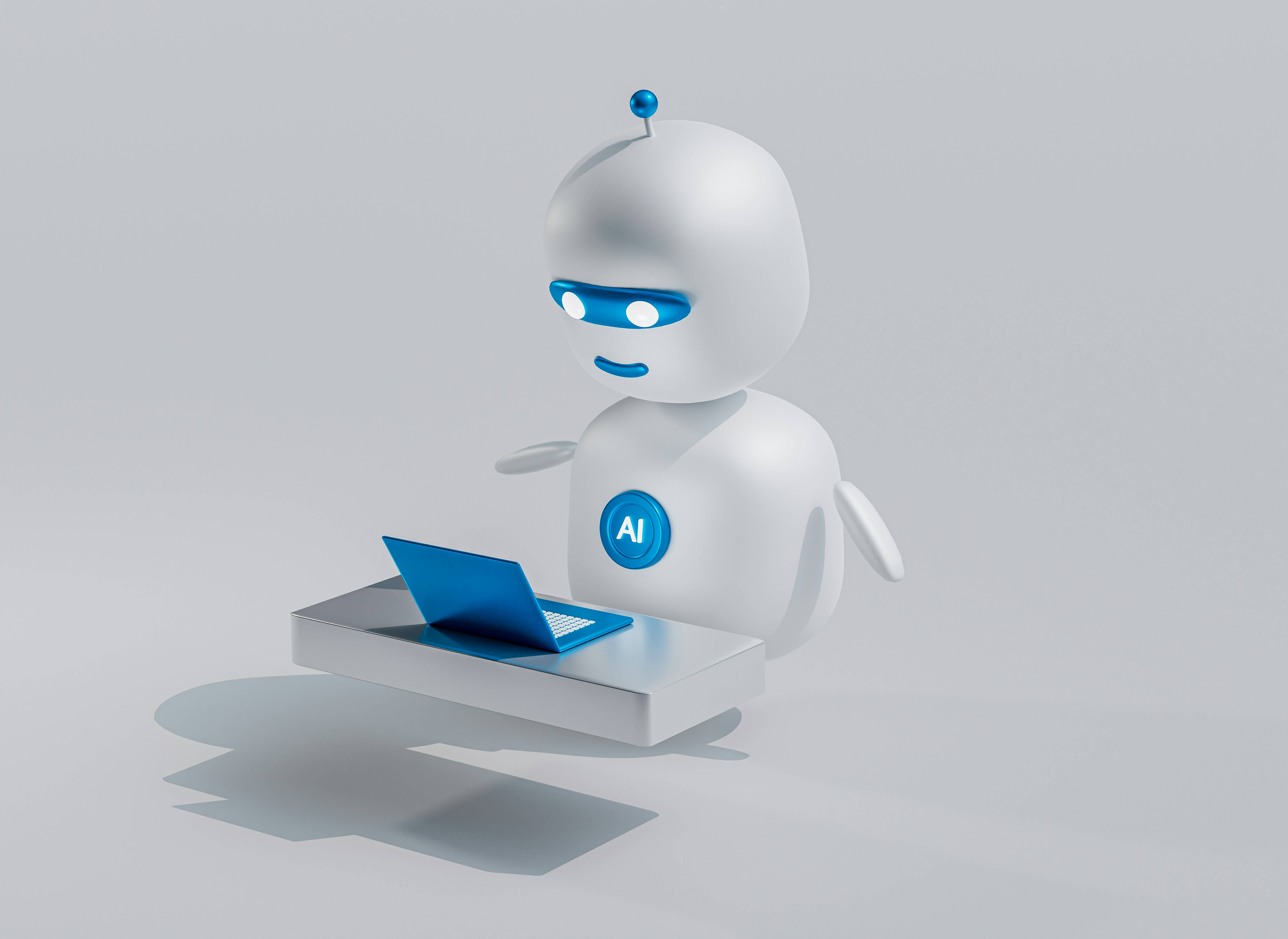
Recently, Meta announced something that does not get enough plain-language coverage: an AI agent called Muse. And unlike a lot of AI announcements that are aimed at developers or enterprise software buyers, this one is genuinely aimed at regular people.
Here is what it is, what it can do, and why it matters.
What is Muse?
Muse is not a chatbot. It is an AI agent, which is a meaningful distinction. A chatbot answers questions. An agent takes action.
That means Muse can do things like book a reservation, send an email on your behalf, fill out a form, turn a recipe you saved into a grocery list, or handle a return. You tell it what you want done. It does it. And it can keep working after you close the app.
Think of it less like a search engine and more like an assistant that you can hand tasks to.
Is it free?
Mostly, yes. Meta announced that Muse will be free for most everyday use, with paid tiers for people who want to do more. The business model is built around taking a small fee on transactions, similar to how payment processors work, rather than charging users a monthly subscription for basic access.
What about privacy?
This is the question worth asking, and Meta actually built some real answers into the product. According to Meta, each user gets an isolated virtual machine, meaning your Muse session is separate from everyone else's. A separate approval layer reviews actions before they reach the internet. You control which apps connect and what they can access. And you can opt out of having your data used for training.
That is a more deliberate privacy architecture than most consumer AI tools offer. Whether you trust Meta to deliver on it is a separate question, but the design choices are meaningful.
Why does this matter for small businesses?
A few reasons.
First, your customers are about to have access to an agent that can research, compare, and make decisions faster than they could before. If your business is hard to find, hard to book, or hard to buy from, that friction will cost you more than it used to.
Second, tools like Muse will start to change what customers expect from the businesses they interact with. Responsiveness, clarity, and ease of doing business are going to matter more, not less.
Third, Muse is reportedly connected to retailers and services including Walmart, Best Buy, and Instacart. That ecosystem will grow. Understanding how your business fits into it, or does not, is worth thinking about now.
The plain version.
AI just got meaningfully easier to use for the average person. That is not a threat. It is a signal. The businesses that pay attention to what their customers are now capable of doing, and adjust accordingly, will be in a much better position than the ones that do not.
Indian Lakes Marketing tracks developments in AI and helps Northeast Indiana businesses understand what they mean in practical terms. Follow us for more.
Tags